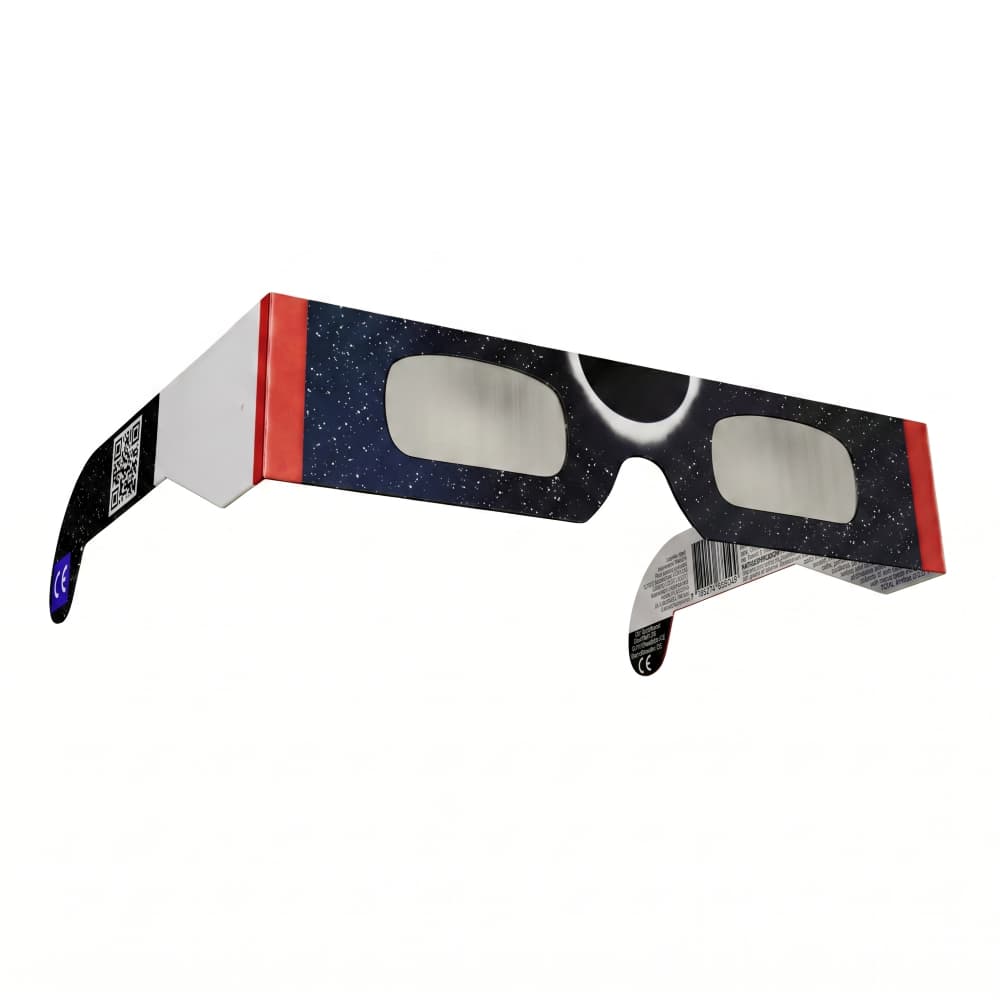


Each year, France, like many European countries, adjusts its clocks at the end of March to return to "daylight saving time". This change, although widely accepted as a simple formality, can have unexpected repercussions on our health, particularly on our eyes and vision. In this article, we will explore the effects of time change on eye health, biological rhythms, and vision.
What is Daylight Saving Time?
Daylight saving time in France occurs on the last Sunday of March, when clocks are moved forward by one hour. This mechanism, initially introduced to save energy, has broader implications, particularly for our general well-being. Indeed, this time shift can disrupt our circadian rhythms, which regulate many biological processes, including the production of melatonin, the sleep hormone.
The Effects of Daylight Saving Time on Eye Health
1. Disruption of Circadian Rhythms
Daylight saving time leads to a desynchronization of circadian rhythms. Our eyes play a crucial role in this process; they capture light and send signals to the brain to regulate the sleep-wake cycle. A disruption of this cycle can affect sleep quality, which in turn can impact eye health.
2. Eye Strain
With daylight saving time, many people experience increased fatigue, which can manifest as symptoms of eye strain. Eyes can become dry, irritated, and tired, especially if one spends long hours in front of a screen. Lack of sleep and general fatigue can exacerbate these symptoms, making concentration more difficult and increasing the risk of temporary visual disturbances.
3. Increased Light Exposure
As summer approaches, days get longer and daylight lasts longer. While this can be beneficial for our mood and well-being, increased exposure to natural light can be problematic for our eyes, especially if we do not take special precautions. Prolonged sun exposure without adequate protection can lead to long-term damage to the retina and increase the risk of cataracts.
Psychological and Behavioral Consequences
1. Impact on Mood
Daylight saving time can also affect our mood and psychological well-being. Studies have shown a link between natural light and the production of serotonin, a neurotransmitter that contributes to feelings of happiness. A disruption of light and dark cycles due to daylight saving time can lead to mood disorders, which can in turn influence our attention and visual performance.
2. Changes in Visual Habits
With the arrival of daylight saving time, people tend to spend more time outdoors, enjoying the daylight. This can have a positive effect on vision, as exposure to natural light is beneficial for eye health. However, it is crucial to remember the importance of protecting your eyes from UV rays by wearing appropriate sunglasses.
Here are some tips to minimize the impact of daylight saving time on vision
Here are some practical tips to mitigate the effects of this change on your eyes and vision:
1. Gradual Adaptation: Before daylight saving time, try to go to bed and wake up 15 minutes earlier each day to facilitate the transition.
2. Sun Protection: Wear good sunglasses with UV protection when outdoors, especially in the late afternoon when the sun is low.
3. Hydration and Climate: Make sure to stay hydrated and use eye drops if necessary to relieve dry eyes or simply physiological saline solution.
4. Screen Break: If you spend a lot of time in front of a screen, apply the 20-20-20 rule: every 20 minutes, look at something 20 feet away for 20 seconds.
5. Regular Consultation: Don't forget to consult your ophthalmologist regularly to check the health of your eyes, especially after changes in lifestyle.
Daylight saving time in France, though it may seem insignificant, has repercussions on our eye health and vision. By being aware of these impacts and taking a few preventive measures, you can protect your eyes and preserve your visual well-being throughout the year!