

The cold winter air can wreak havoc on our skin, hair, nails, and also our eyes! Many people think that with less sunlight and lower temperatures, our eyes no longer need protection; however, it's the opposite – with the cold and dry air, our eyes need even more attention and care.

For some, low humidity can lead to poor corneal lubrication and cause dry eye syndrome. The cold can also cause itchy eyes, blurred vision, and burning sensations.
Eye health in winter:
- The influence of the sun:
One of the most common winter ailments is actinic conjunctivitis or snow blindness. This is an inflammation of the conjunctiva and cornea primarily due to excessive exposure to the sun, and thus UV rays, without sun protection. Be careful not to forget your sunglasses or your ski masks during your mountain getaways; snow reflects 80% of sunlight and UV rays, even on cloudy days.
- Dry eyes:
Another major winter eye problem is dry eyes. Indeed, the cold, wind, and dry air are all elements that affect eye lubrication. The lacrimal glands produce fewer or lower quality tears. The quality of the tear film is even more important for contact lens wearers.
To regain some comfort, you can use artificial tears (sold in pharmacies and parapharmacies), wear sunglasses to avoid the negative impacts of wind (gusts, dust, etc.), and blink frequently.
Another factor that reinforces dry eyes is indoor heating; temperature differences and the ventilation of reversible air conditioning increase dry eye symptoms. Don't hesitate to humidify your home for your well-being.
- Blue light:
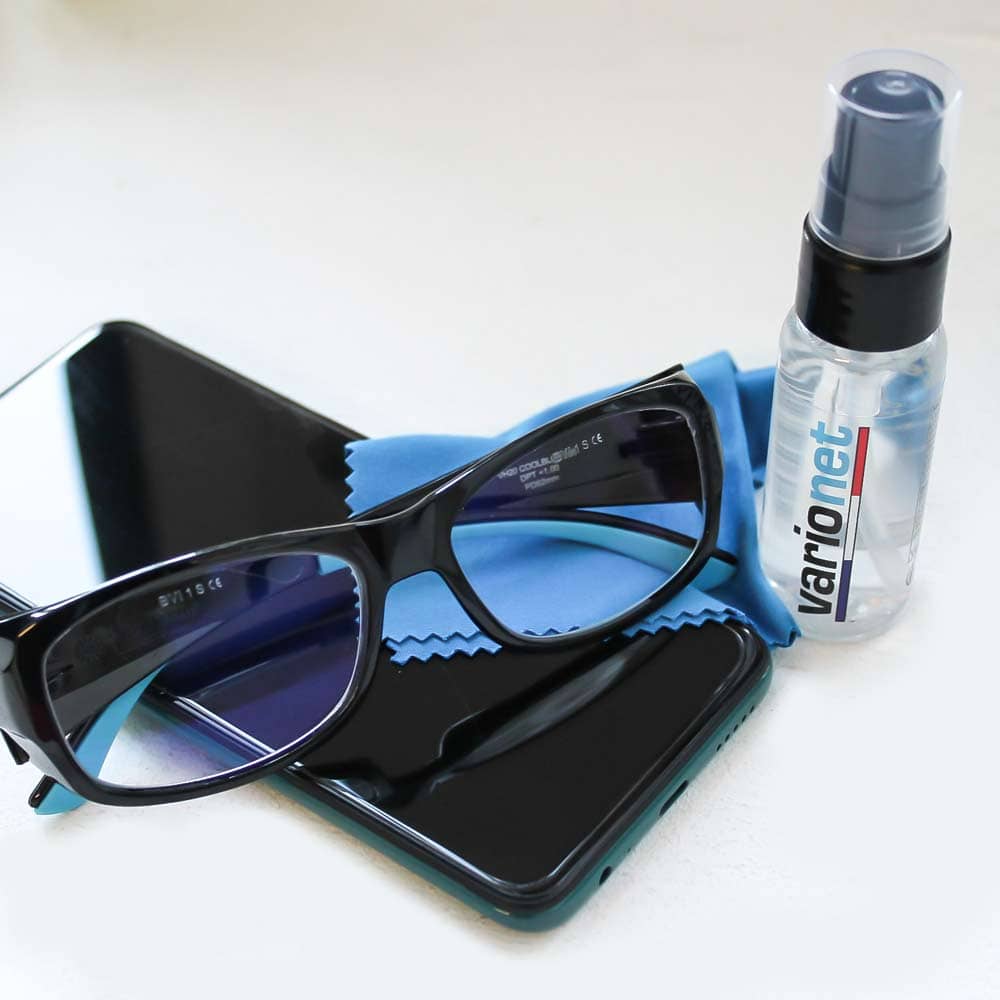
In winter, days are short, cloudy, rainy with low temperatures. Natural light is rare. All the more reason to enjoy a good movie, do research on the web, work more in front of your screen... Ultimately, we spend more time than usual in front of our tablets, smartphones, PCs... All these devices emit harmful blue light for our eye health. That's why, even if the weather isn't good, we should regularly look far away outside, get some fresh air, and wear anti-blue light glasses to protect our eyes from the detrimental effects of this light.
- Fog:
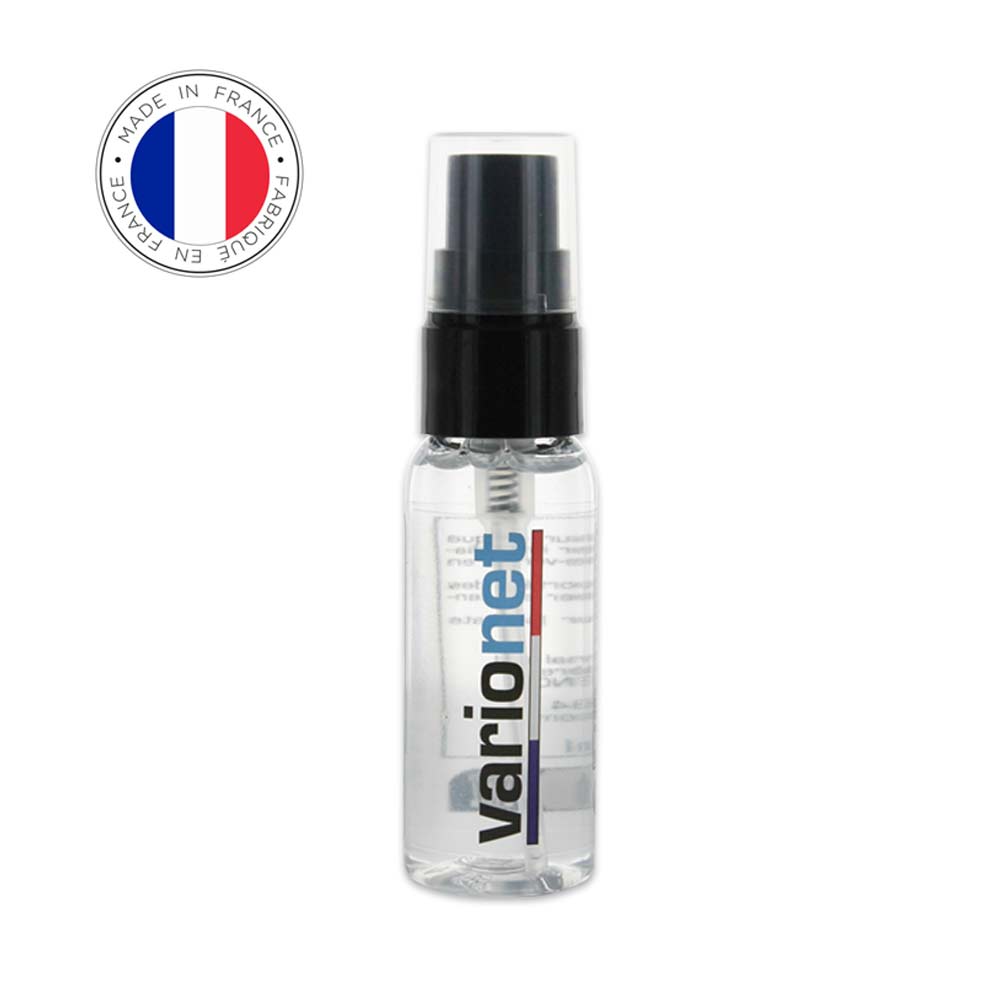
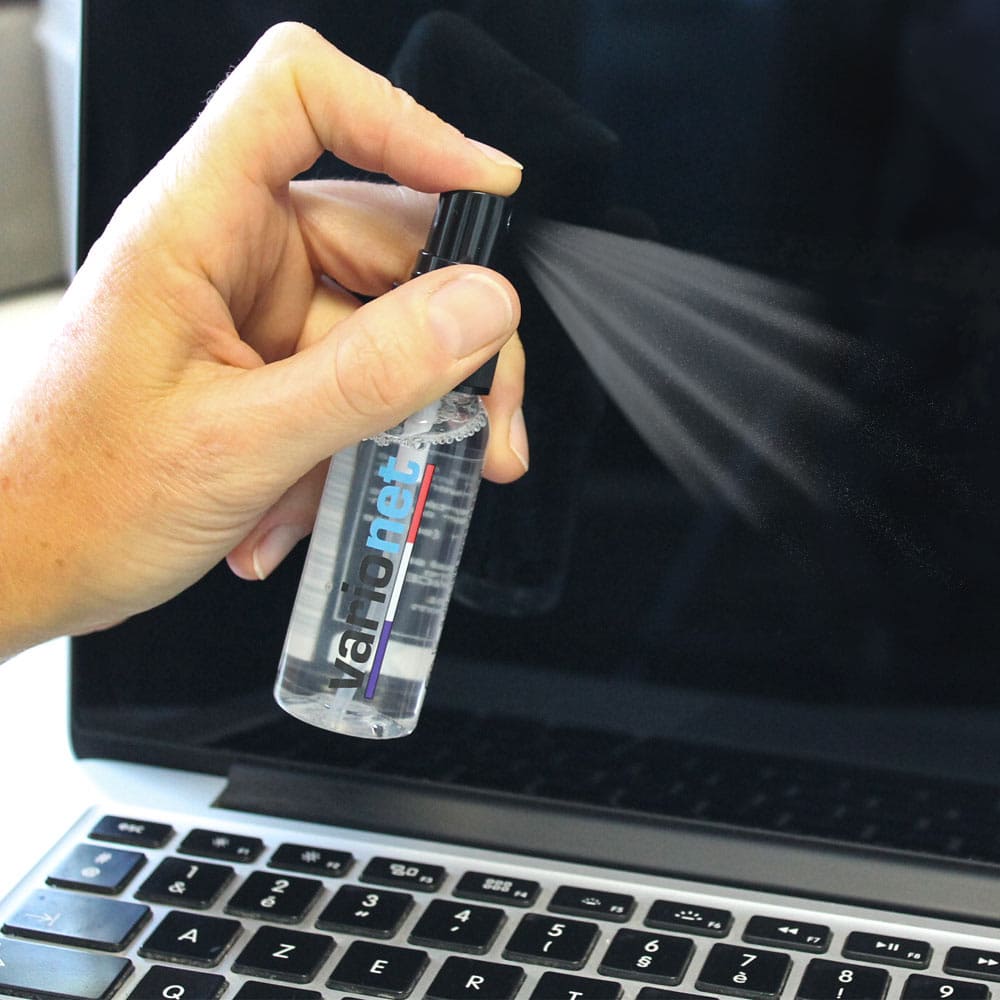
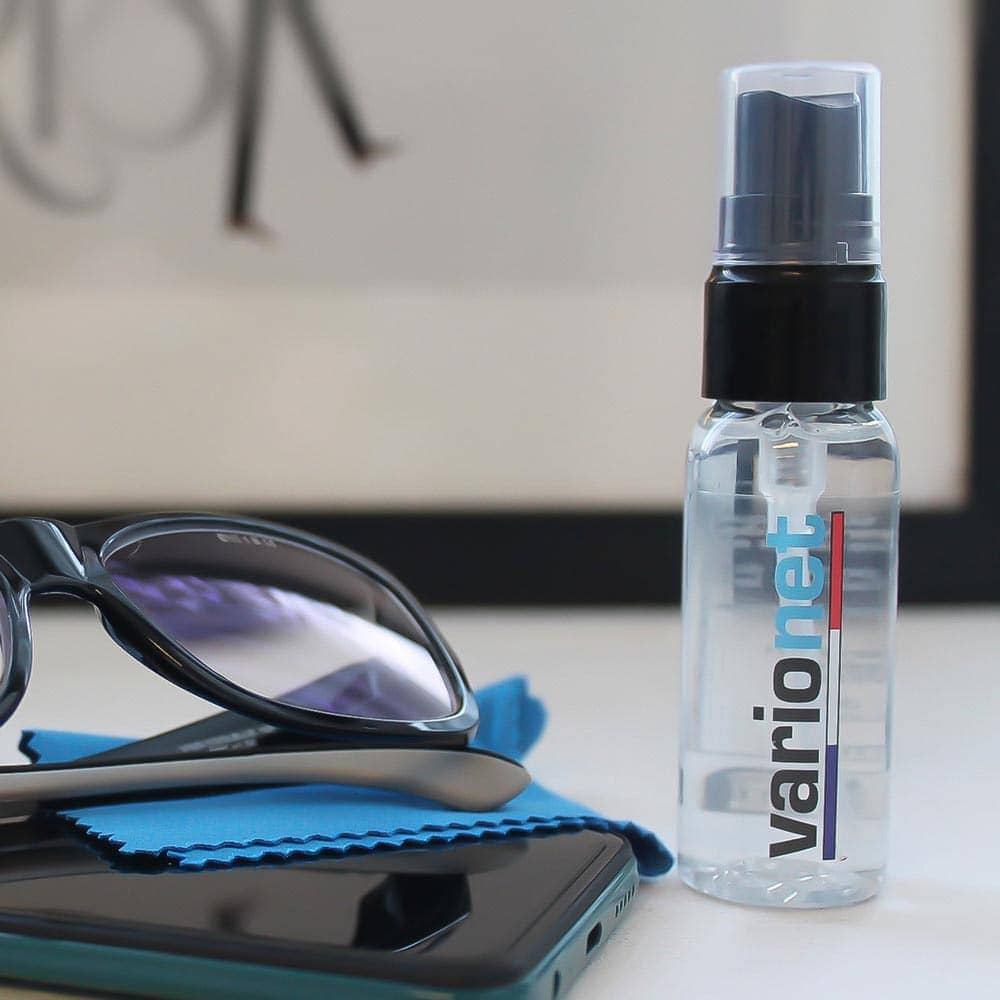
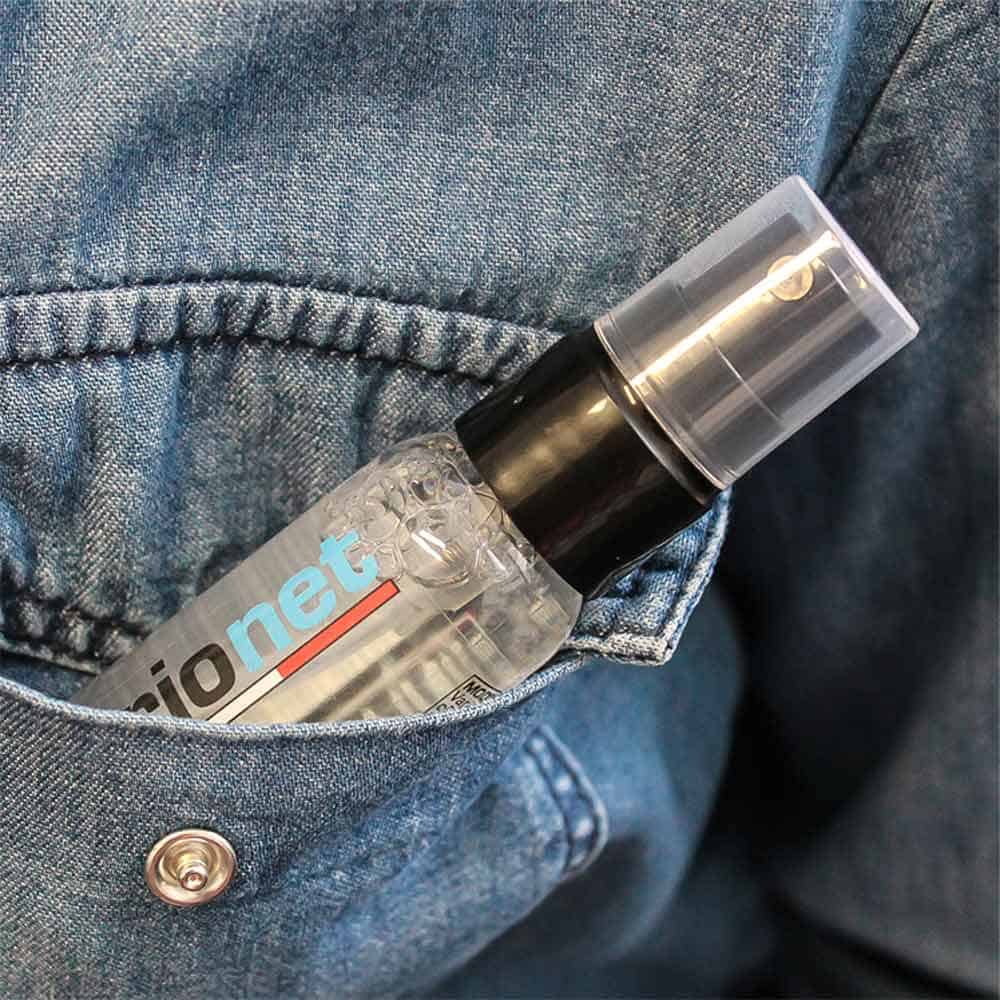
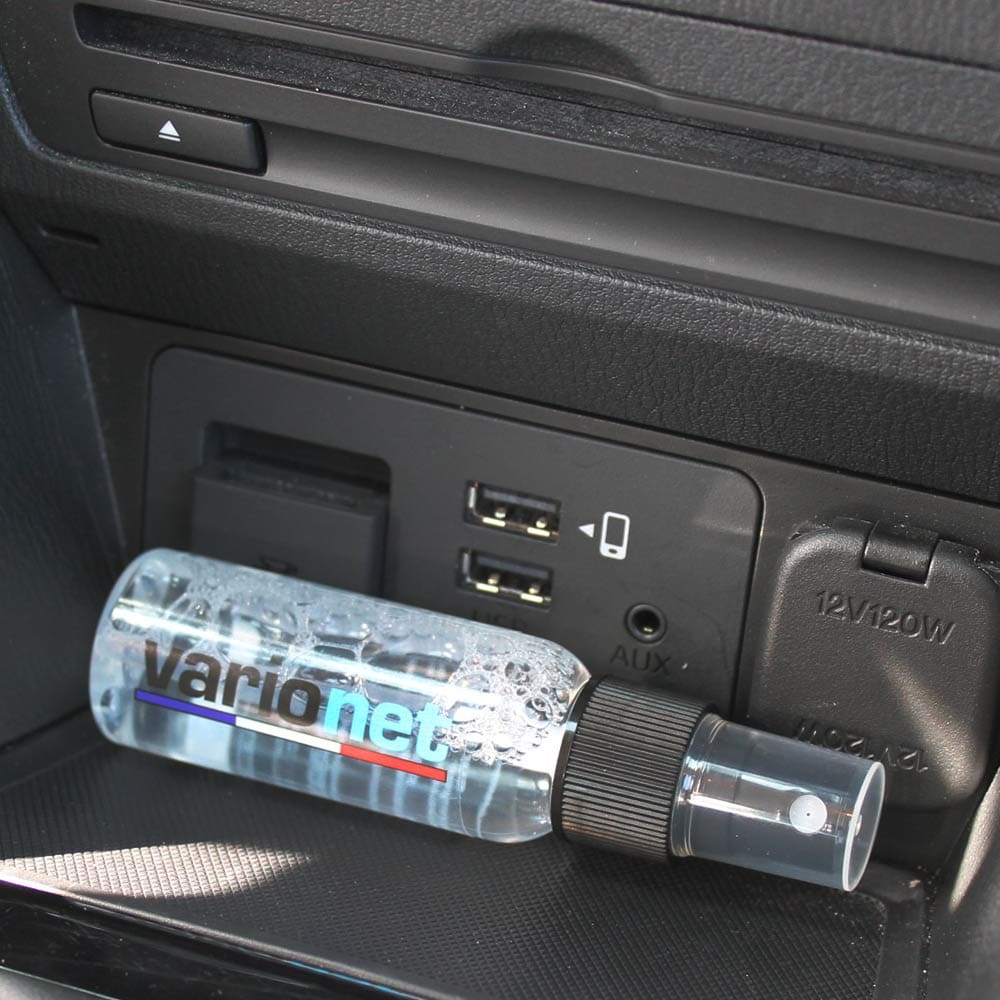
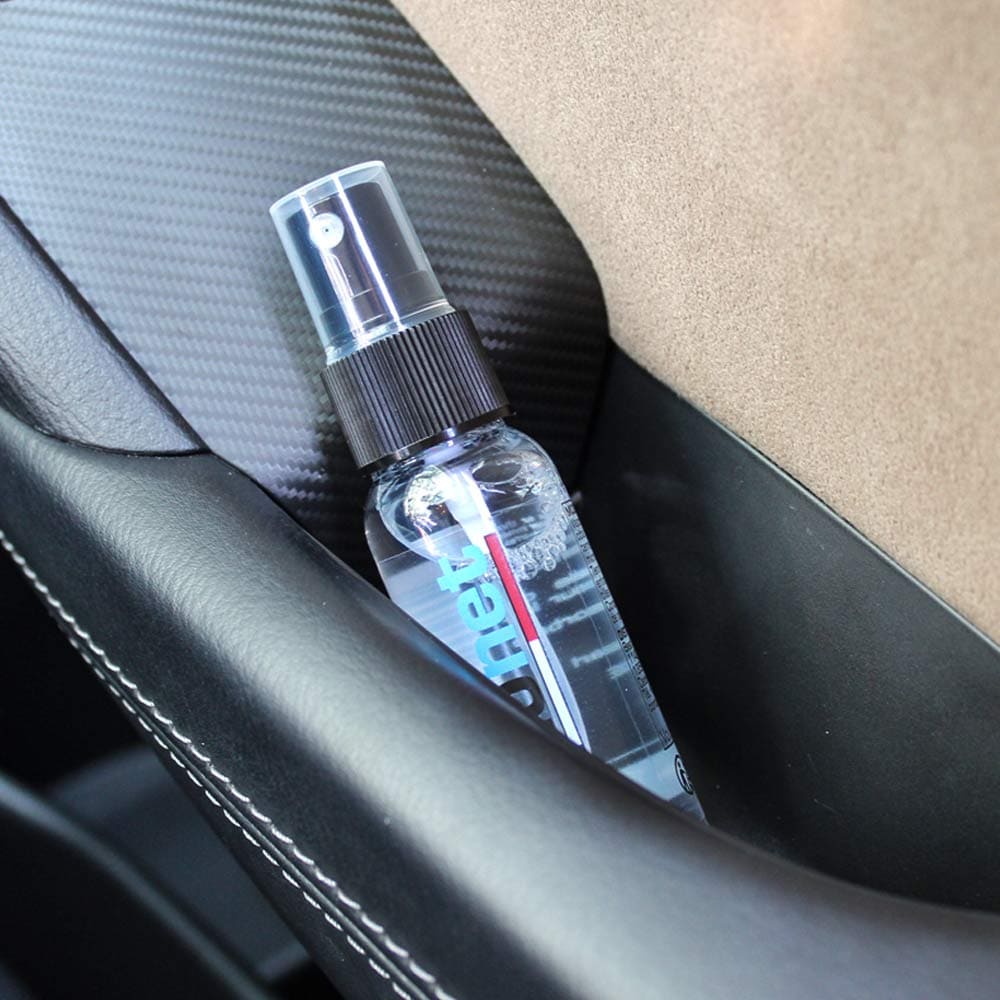
When skiing, during outdoor activities in the snow and in the cold, fogging is common on glasses lenses. To remedy this, the Varionet anti-fog lens cloth is a simple, quick, and effective solution. Before you head to the slopes, clean your glasses or mask and wipe each side with the Varionet anti-fog lens cloth, and you'll be set for the day. No more fog for skiing!