

What is eye strain?
Eye strain, also known as visual fatigue or asthenopia, occurs when we overwork our eyes, especially when working on a screen. It results in fatigue of the ciliary muscle, which is responsible for focusing, leading to blurred vision, discomfort, and other symptoms.
👉 To reduce these discomforts, it is often recommended to wear anti-blue light glasses, specially designed to reduce visual discomfort related to screens.

Symptoms of eye strain at work
After the holidays, abruptly switching from days outdoors to 6 or 8 hours in front of a screen can cause:
- Blurred or double vision after long concentration,
- Stinging, dryness, redness, or watery eyes,
- Frequent headaches,
- Sensitivity to light,
- Difficulty staying focused.
These discomforts appear gradually but can become debilitating if not addressed.
Digital Eye Strain Syndrome
With the development of teleworking and digital tools, digital eye strain syndrome now affects a large majority of working people.
The main causes are:
- Reduced blinking: in front of a screen, we blink 5 times less often, which promotes dry eyes,
- Artificial blue light: it increases visual fatigue and disrupts sleep,
- A fixed posture: which accentuates neck tension and migraines.
Eye strain or presbyopia: how to tell the difference?
Many confuse visual fatigue with presbyopia. However, these are two distinct phenomena:
- Eye strain is temporary, due to visual overexertion, and disappears with rest and appropriate habits.
- Presbyopia is an age-related visual disorder (around 40 years old on average). The lens loses its flexibility, making near vision difficult, even when rested.
👉 If you experience persistent discomfort and are 40 or older, discover our selection of presbyopia glasses adapted for screen work.
Solutions to reduce eye strain at the start of the school year
1. Apply the 20-20-20 rule
Every 20 minutes, look away from the screen and focus on an object 20 feet away for 20 seconds. This allows your eyes to relax.
2. Optimize your workstation
- Screen 50-70 cm from the eyes, slightly below eye level,
- Adapted brightness and reduced glare,
- Homogeneous ambient lighting (avoiding excessively strong contrasts).
3. Hydrate your eyes regularly
Remember to blink voluntarily and, if necessary, use artificial tears or saline solution to compensate for dry eyes.
4. Wear appropriate glasses
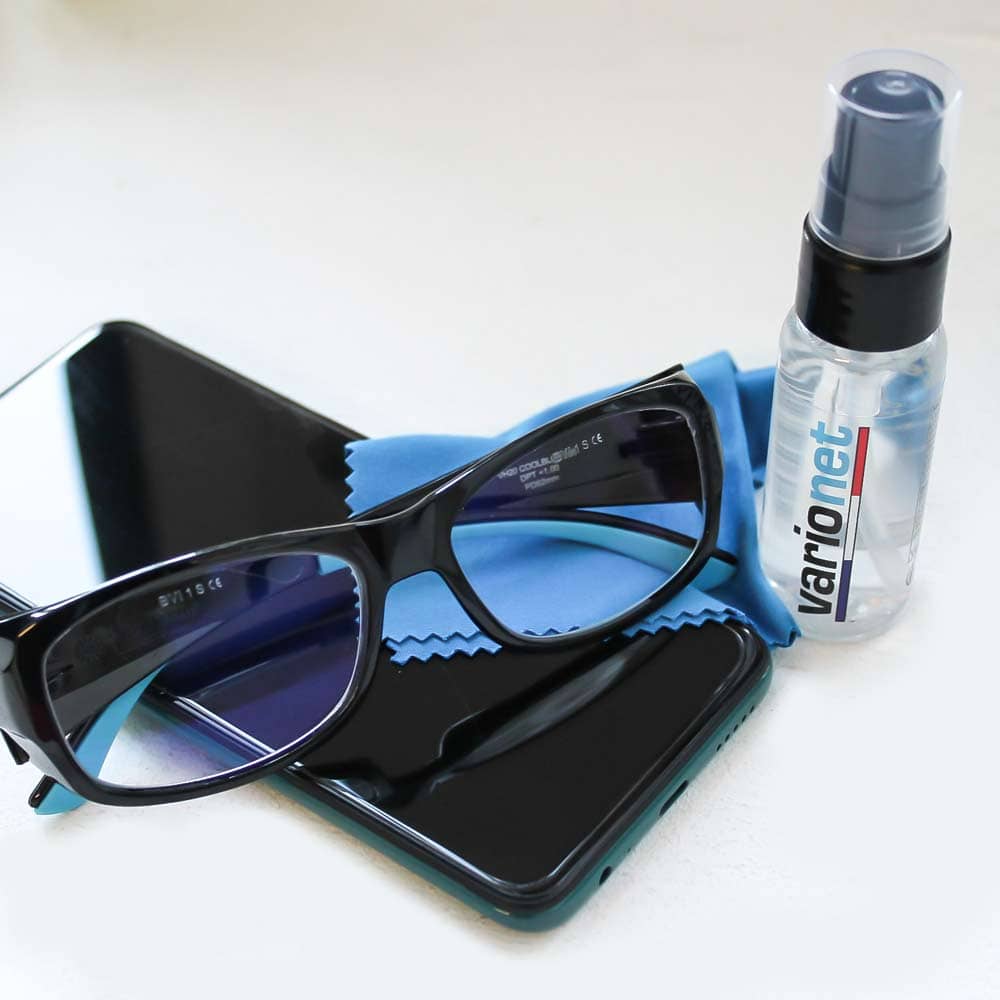
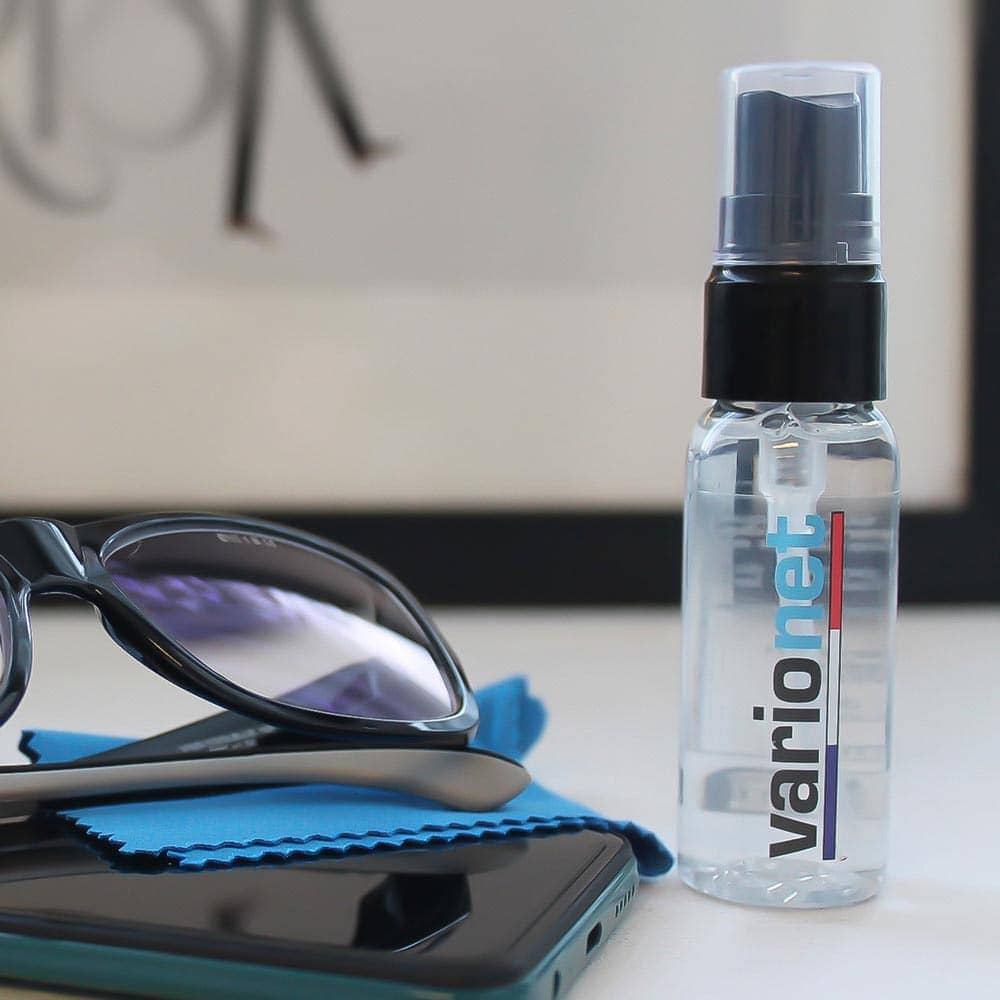
- Varionet anti-blue light reading glasses protect your eyes from harmful rays (UV) and improve visual comfort,
- Rest glasses relieve near vision for those under 40 thanks to their anti-blue light anti-reflective lenses.
- Varionet presbyopia glasses with progressive lenses offer optimal comfort for those over 40 working on screens.
Returning to work after the holidays puts a strain on your eyes. Visual fatigue is common but can be relieved with a few good practices and wearing appropriate anti-blue light glasses.
👉 Discover now Varionet's selection of rest glasses and presbyopia glasses to protect your eyes and improve your visual comfort daily.