

Driving when light fades is a situation many drivers dread. Between the glare caused by new LED headlights, mounting fatigue, and difficulty perceiving contrasts, night driving often becomes a source of stress.
For adults over 40, these inconveniences are exacerbated by natural physiological changes in the eye. This is where glasses equipped with yellow lenses come in. True allies of road safety, they promise renewed visual comfort. But how do they really work and what are their benefits for your eyes?
Why does night vision change with age?
After the age of forty, the eye evolves. The pupil becomes slower to react to changes in light and the lens loses its transparency. These modifications promote the onset of eye strain and increase sensitivity to glare.
Moreover, many drivers discover the first signs of presbyopia. While it mainly affects near vision, it is often accompanied by a decrease in overall visual acuity in low light conditions. The combination of a dark environment and aggressive artificial light sources (headlights, streetlights, signs) makes analyzing the road more complex for the brain.
The role of yellow lenses: science and technology
Contrary to popular belief, yellow lenses are not for "seeing in the dark." Their function is much more technical and is based on managing the light spectrum.
Improved contrast perception
Yellow acts as a selective filter. By absorbing a large part of blue light (the shortest and most scattered part of the spectrum), yellow lenses reduce "visual noise," the feeling of fog. The result is immediate: object outlines, road markings, and reliefs become sharper. This is particularly effective at dawn or dusk, when the light is diffuse.
Glare reduction
Modern headlights (Xenon or LED) emit very white light, rich in blue light, which causes intense glare. This phenomenon can paralyze the retina for a few seconds, a precious time in terms of safety. The yellow filter softens this light aggression, allowing the eye to recover much more quickly after encountering another vehicle.
Did you know? Yellow lenses are also used by athletes (sharpshooters, skiers in foggy weather) for the same reason: their exceptional ability to amplify contrasts.
Concrete benefits for drivers over 40
Investing in a pair of glasses dedicated to night driving provides benefits that go beyond simple image clarity.
| Benefit | Effect on driving |
| Reduced stress | Better visibility reduces driver apprehension. |
| Reduced fatigue | Less accommodation effort for the eyes. |
| Increased safety | Better detection of obstacles (pedestrians, animals, cyclists). |
| Extended comfort | Ideal for long journeys on highways or in rural areas. |
When to wear your yellow-lensed glasses?
These glasses are not only for the dead of night. They are particularly effective in the following conditions:
- Twilight: This is the most critical moment when the eye must transition from daytime to scotopic (night) vision.
- Dawn: For early morning departures when fog can still obscure the road.
- Rain or fog: Yellow "cuts through" the gloom by increasing the relief of obstacles.
Beware of overly dark lenses
It is crucial to choose high-quality yellow lenses, category 1 and with an anti-reflective coating. A poorly manufactured tinted lens could excessively reduce overall light transmission, which would be counterproductive at night. Opticians recommend light tints, category 1, which optimize clarity without darkening the environment.

Prevention and visual health: good reflexes at the wheel
Wearing appropriate glasses is an essential step, but overall visual comfort also depends on a few rules of hygiene and maintenance:
- Have your eyesight checked regularly: An annual examination by an ophthalmologist is recommended after 40 to detect any onset of presbyopia or cataracts.
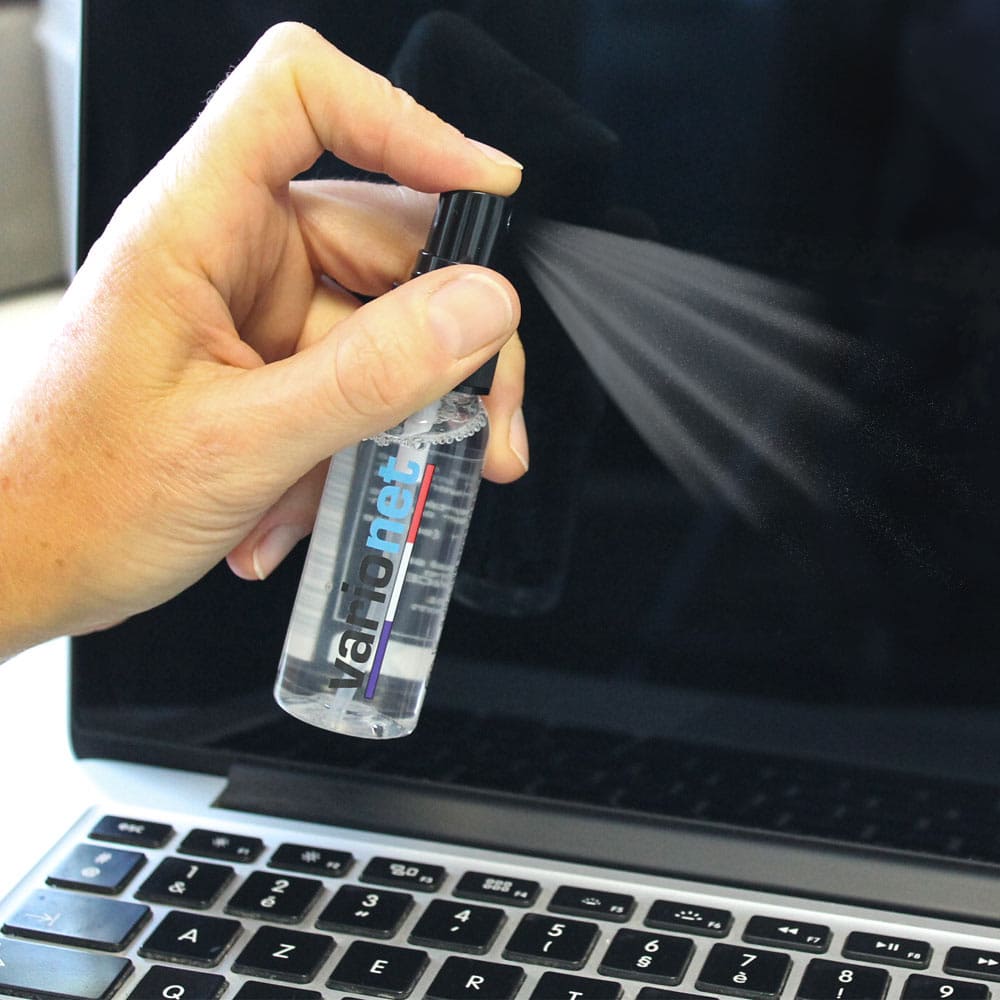
- Clean your surfaces: A dirty windshield or scratched spectacle lenses accentuate light diffusion and therefore glare.
- Avoid screens before driving: The blue light from smartphones tires your eyes even before you hit the road.
An investment for your safety
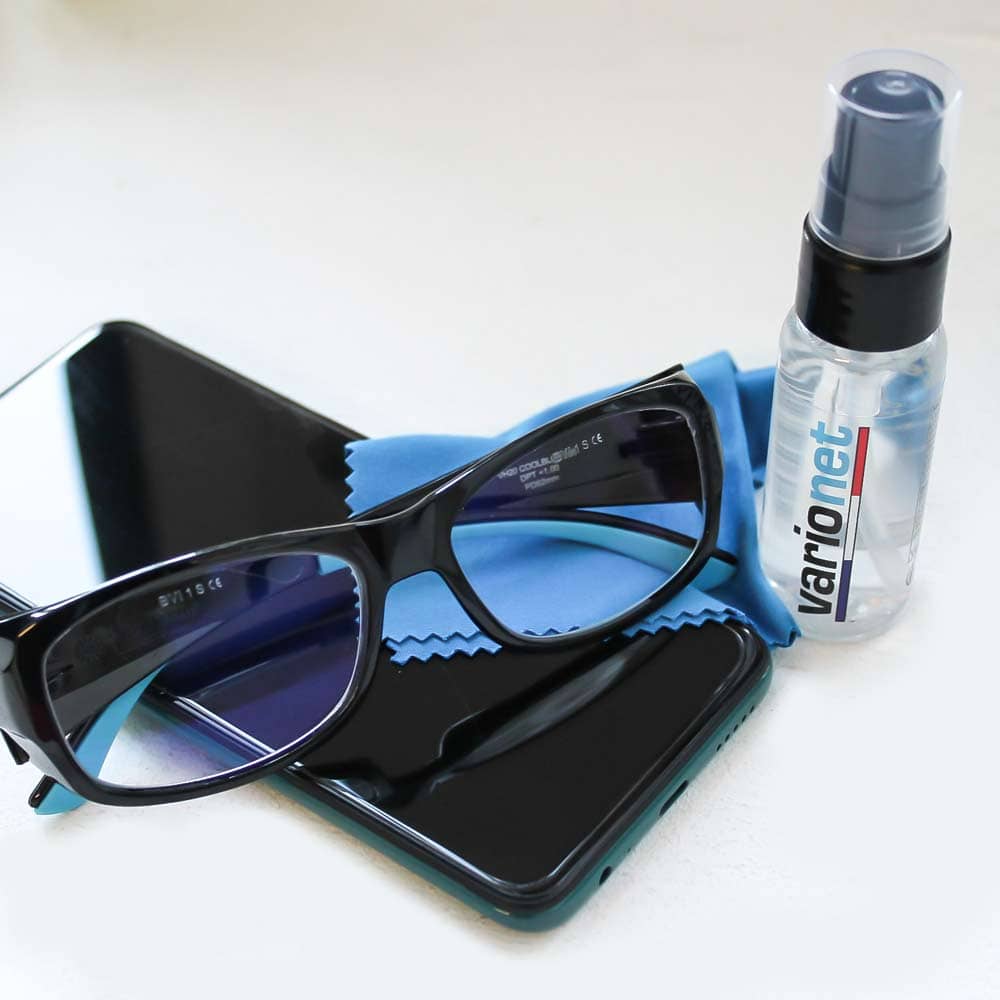
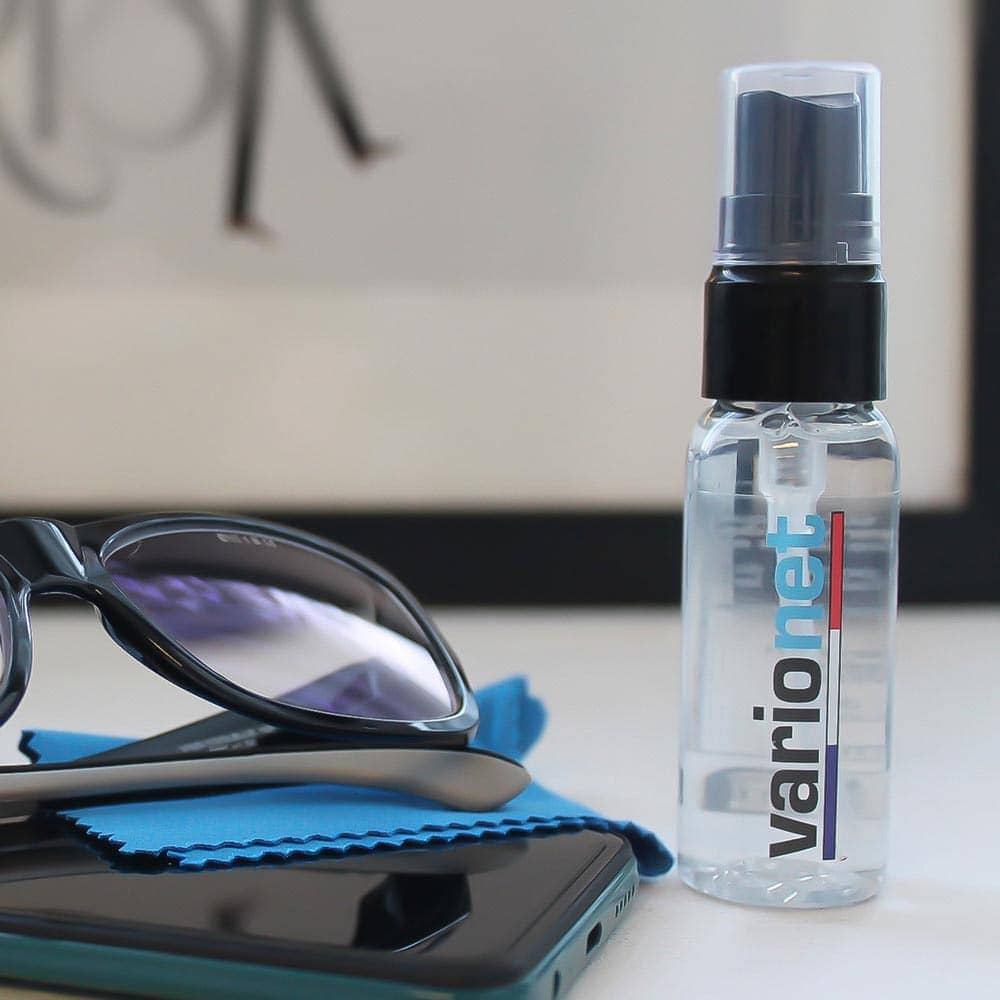
Night driving should no longer be an inevitability or a source of discomfort. By understanding how light interacts with your eyes, you can choose appropriate preventive tools. Varionet offers glasses equipped with category 1 yellow lenses and anti-reflective coating starting from €19.90. These "yellow glasses" represent a simple, accessible, and effective solution to protect your visual capital while ensuring your safety and that of other road users.